






· 3 min read
What makes Clare Valley Riesling so distinctive - and how to taste it like a local.
The home of Australian Riesling
If one wine defines the Clare Valley, it is Riesling. While regions around the world claim the grape, Clare has made it unmistakably its own: bone-dry, crisp and limey in youth, with a steely line of acidity that lets the best bottles age for a decade or more into something honeyed and complex.
It starts with the dirt
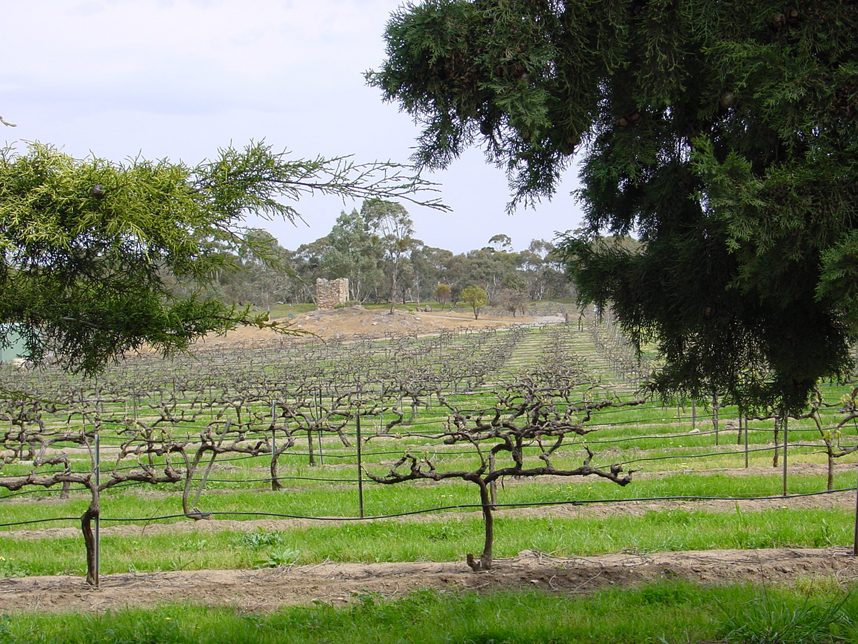
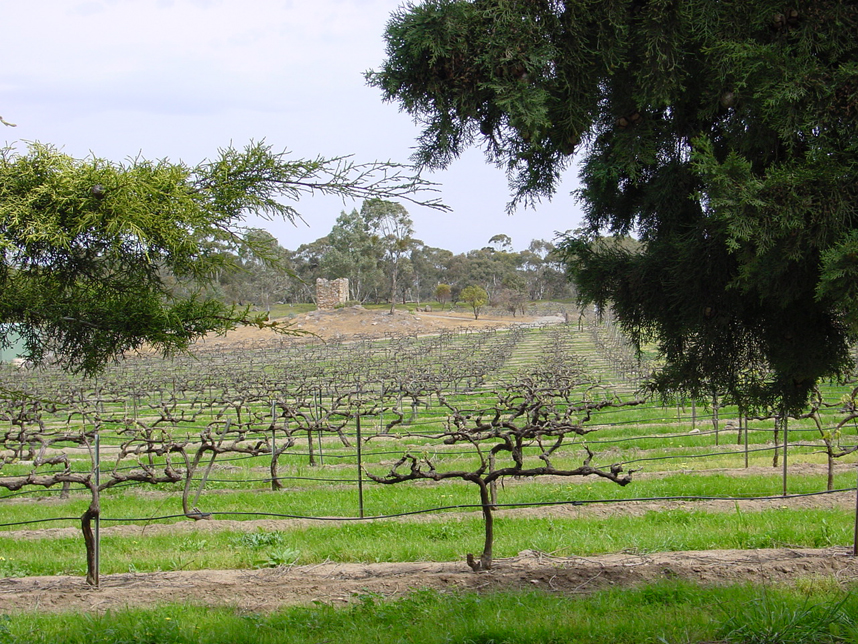
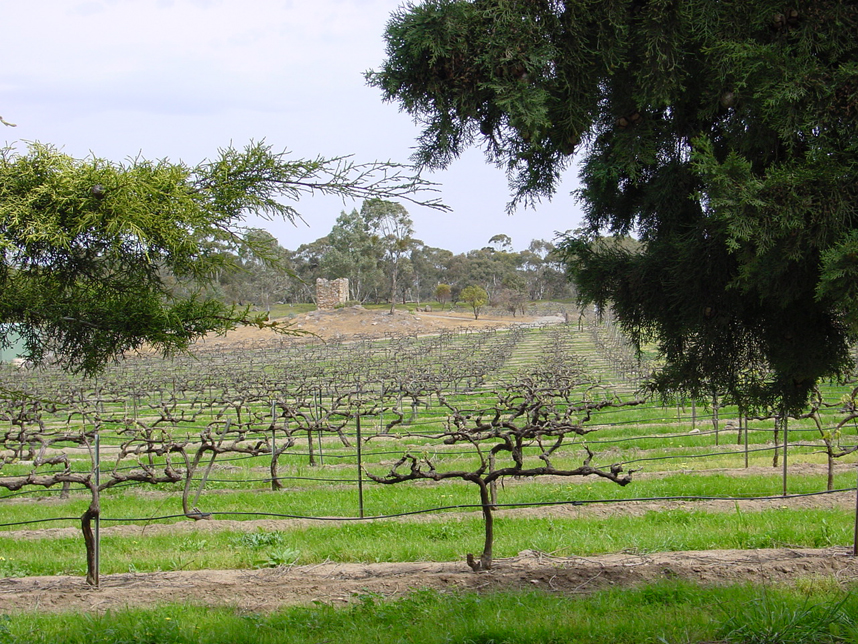
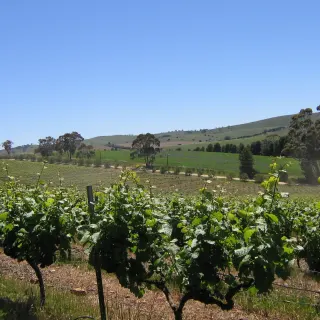
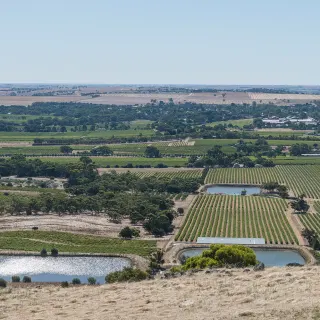
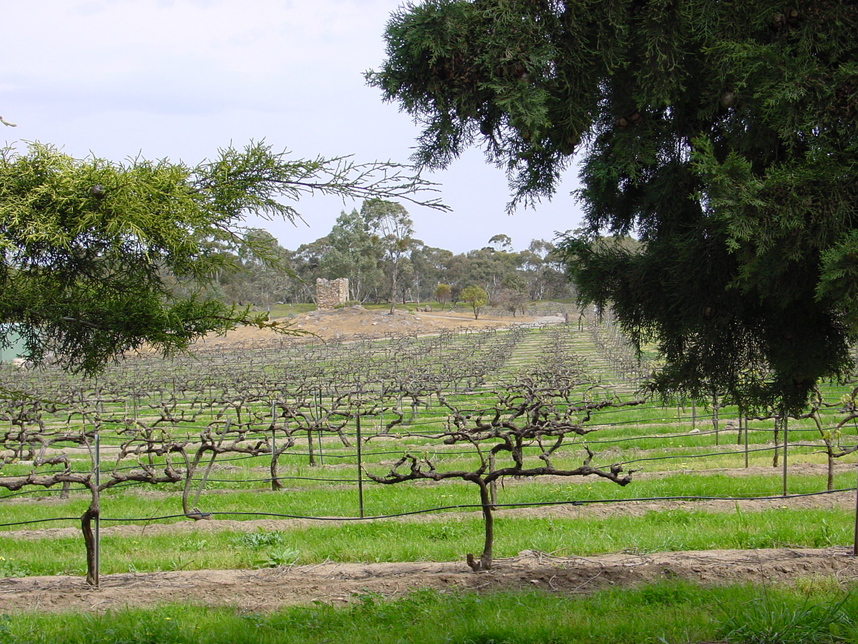
The valley's secret is its soils and its climate. Warm days and cool nights - thanks to elevation of around 400 metres - let the grapes ripen slowly and hold onto their fresh acidity. Sub-regions each leave their mark: Watervale, with its limestone, tends to give softer, more floral Rieslings, while Polish Hill River produces tighter, more mineral, slower-developing wines.
How to taste it
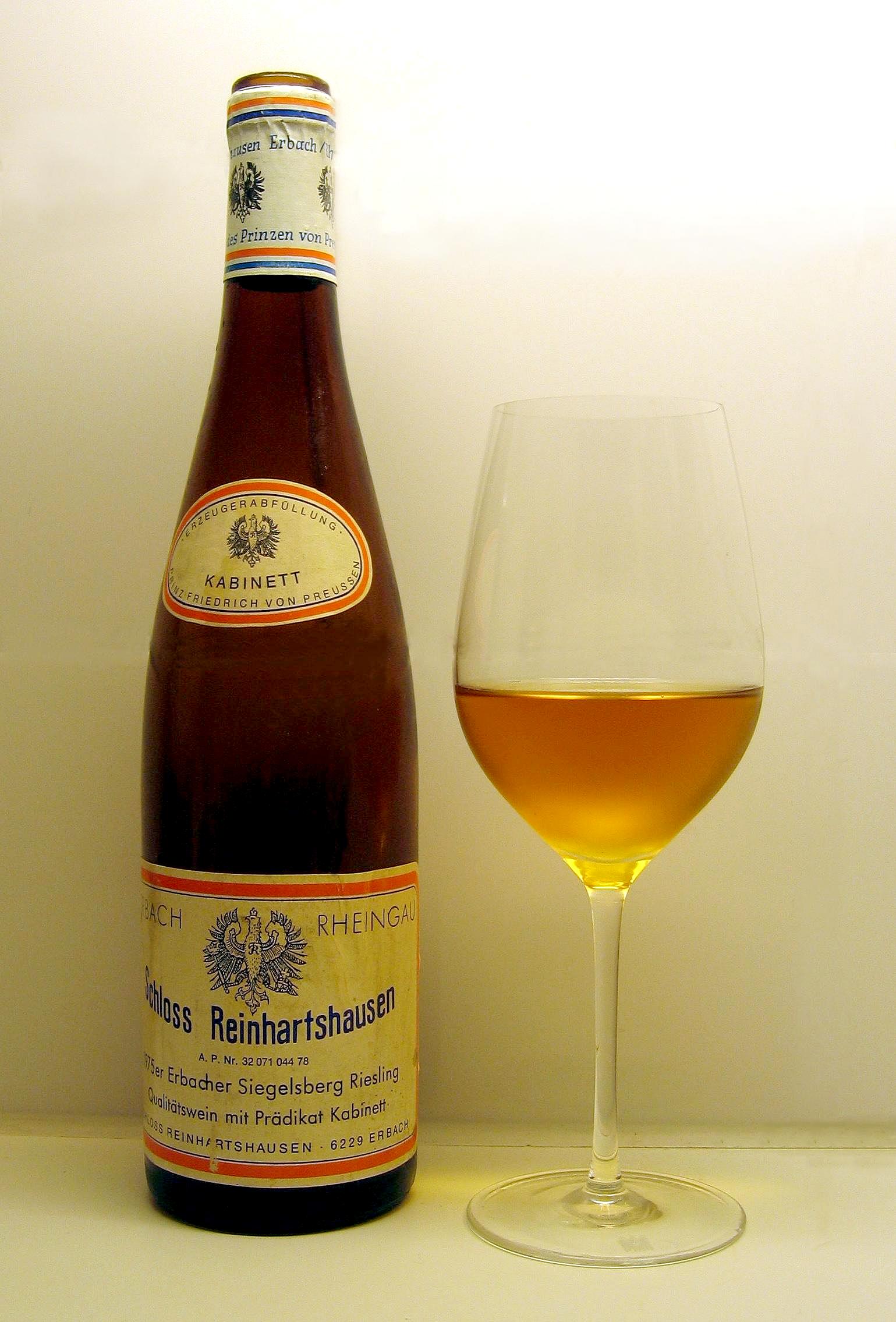
Start young and dry. Look for that classic Clare signature of lime, green apple and a flinty, almost chalky finish. Then, if the cellar door has older vintages open, taste an aged example beside it - the transformation toward toast, honey and kerosene-like complexity is one of wine's great party tricks.
Nearly every cellar door in the valley pours Riesling, and many are happy to walk you through a vertical of different vintages or sub-regions. It is the best, and most delicious, way to understand why this quiet inland valley punches so far above its weight.