




By Discover Clare Valley · · 6 min read
In 1851, a group of Austrian Jesuits arrived in a remote valley north of Adelaide and planted vines to make sacramental wine. Their cellar is still going.
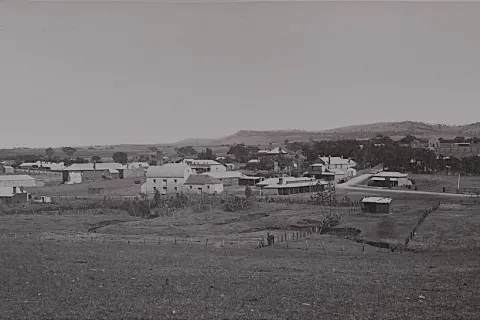
In 1851, a small band of Austrian Jesuit priests and brothers, fleeing the upheavals of revolution in Europe, settled in a green fold of country north of Adelaide. They named it Sevenhill, after the seven hills of Rome, and set about building a mission. Among their first acts was to plant vines.
Wine for the altar
The Jesuits' purpose was practical and sacred: they needed wine for the Mass, and none could be reliably obtained in the young colony. So they made their own. The first vintage was pressed in the 1850s, and Sevenhill Cellars has been making wine ever since - one of the oldest continuously operating wineries in Australia.
For more than a century, sacramental wine was the priority, shipped to Catholic parishes across the country. Table wine came later, but the altar wine tradition continues to this day, a thread of unbroken history few wineries anywhere can claim.
A valley shaped by faith
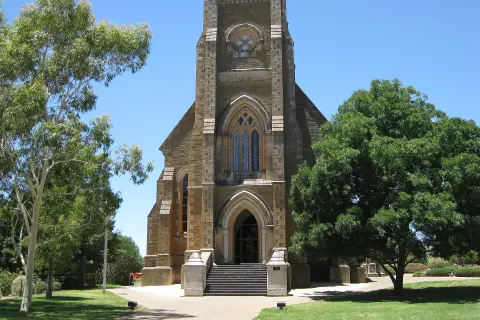
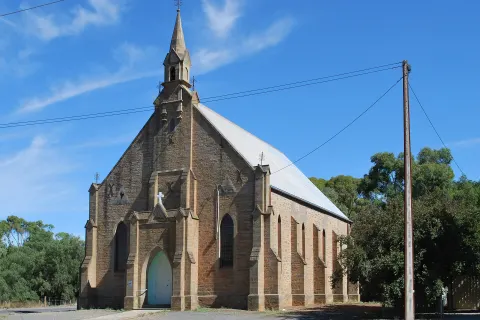
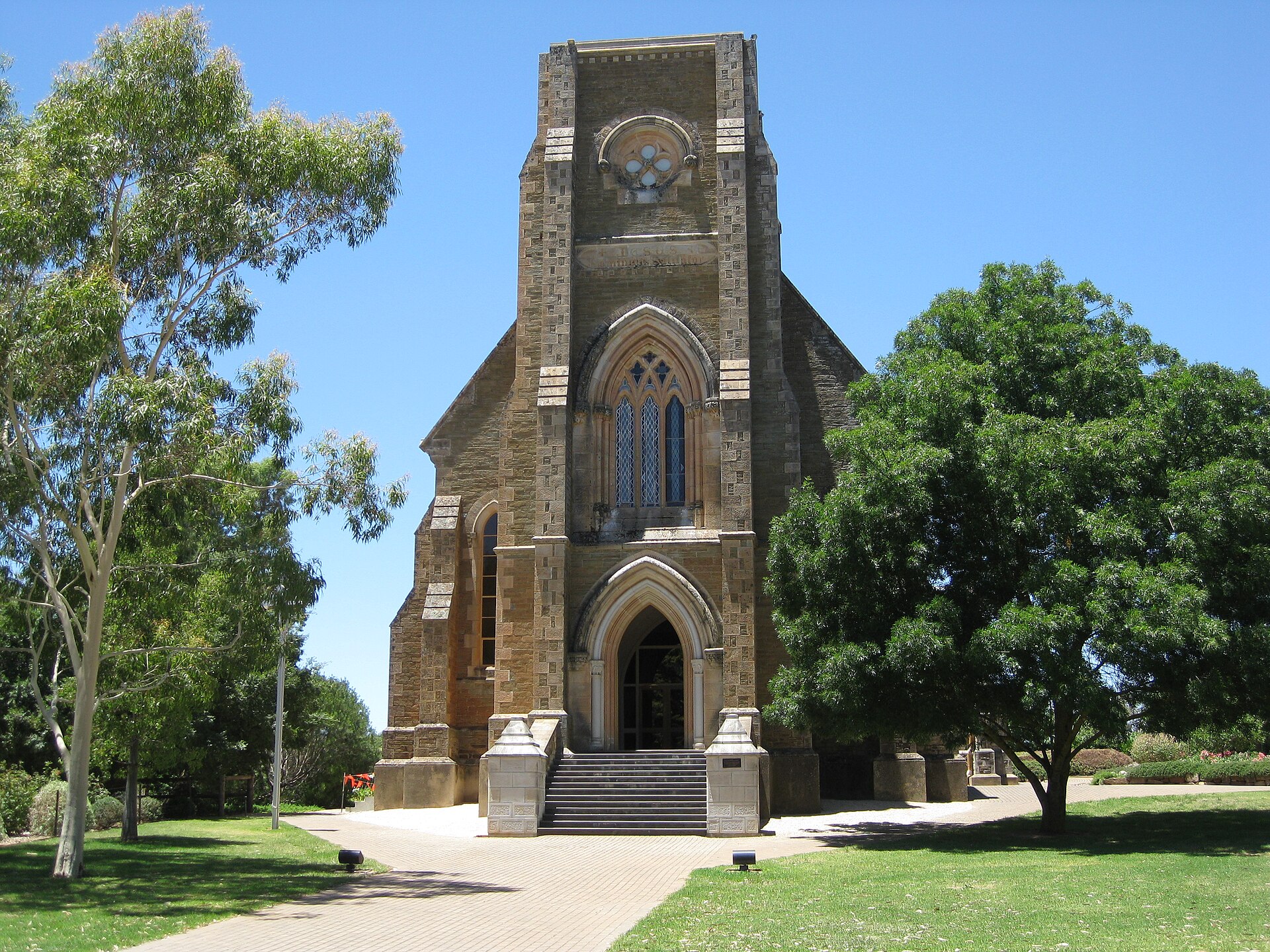
The Jesuits did more than make wine. They built St Aloysius Church, a serene neo-Gothic stone church whose crypt holds generations of priests and brothers. They cleared land, educated the district's children and anchored a community that drew Irish and German Catholic settlers to the valley.
Walk the mission grounds today and the sense of continuity is striking. The old cellars, hand-dug into the slate, still hold maturing wine. The church bell still rings. The vines the order tends descend, in spirit if not always in rootstock, from those first plantings of the 1850s.
Taste the history
A visit to Sevenhill Cellars is a tasting and a history lesson in one. The wines are excellent - the Riesling and the fortifieds especially - but it's the setting that lingers: the quiet church, the crypt, the grounds where the Clare Valley's wine story began. It is, quite literally, where it all started.