By Discover Clare Valley · · 6 min read
Burra’s copper drew skilled miners from Cornwall, and they left their mark on everything from the architecture to the pasties.
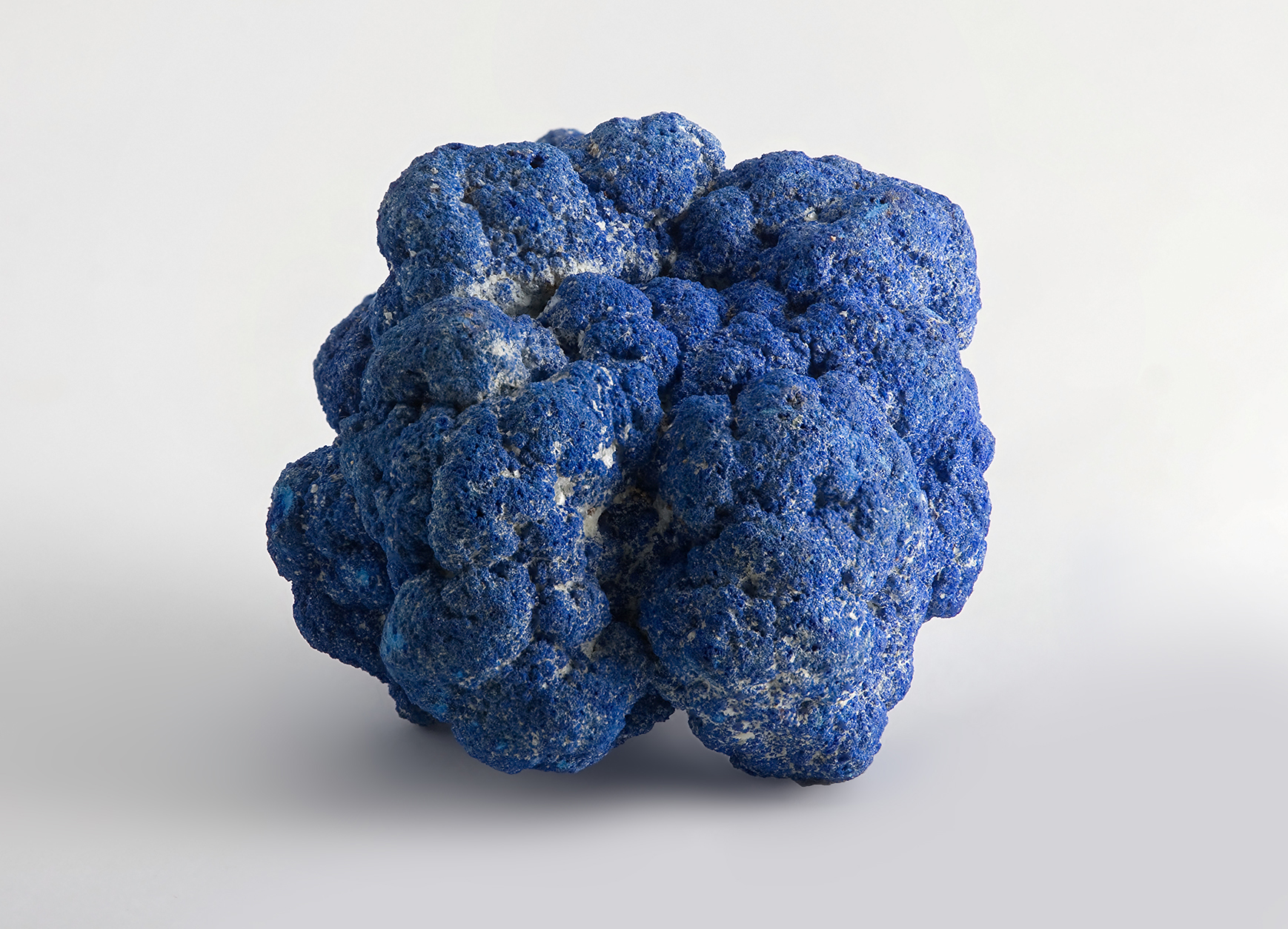
When copper was discovered at Burra in the 1840s, the colony needed miners who knew how to extract it. They came in large numbers from one place above all: Cornwall, in the far west of England, where hard-rock mining was a centuries-old tradition.
Miners who knew the rock
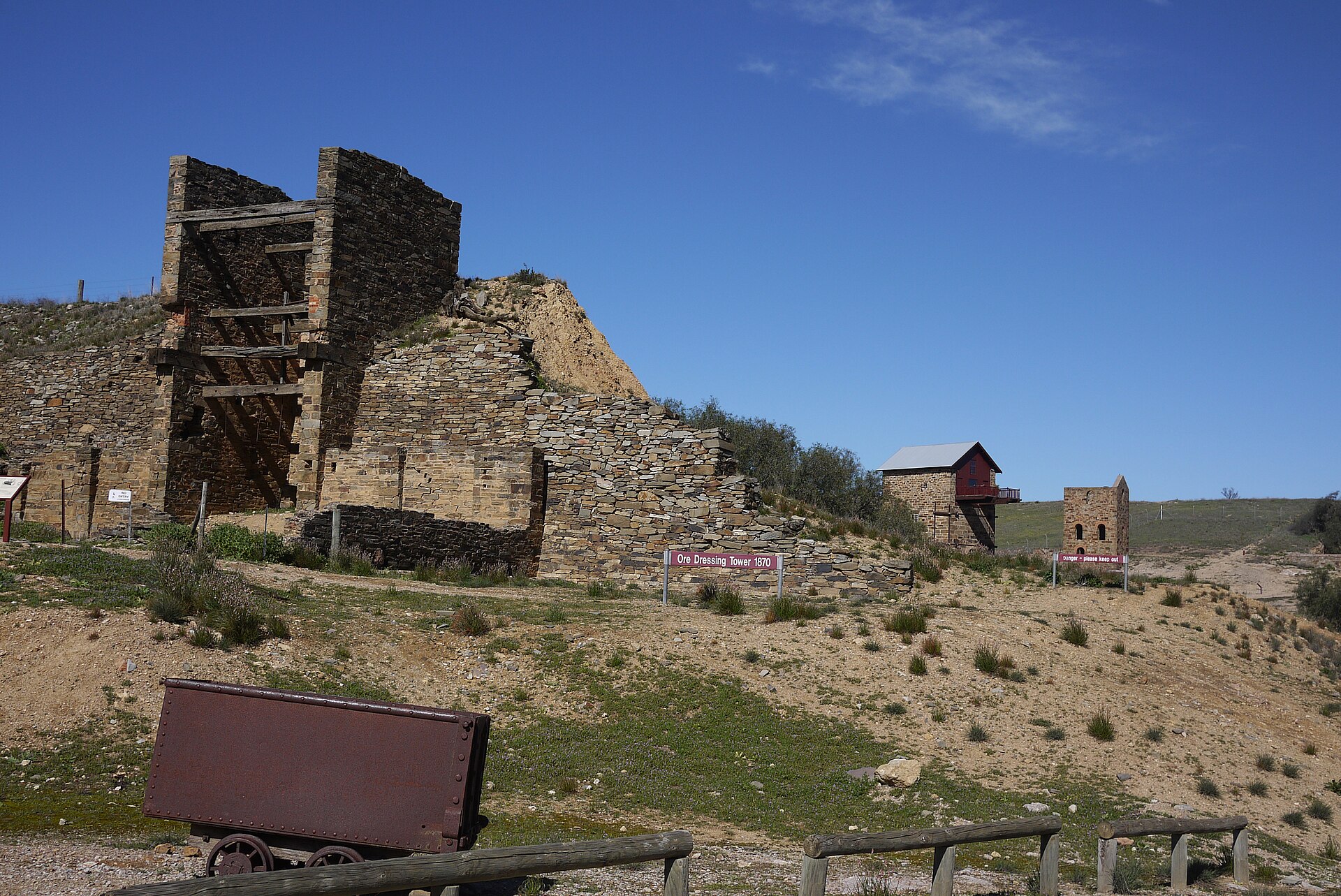
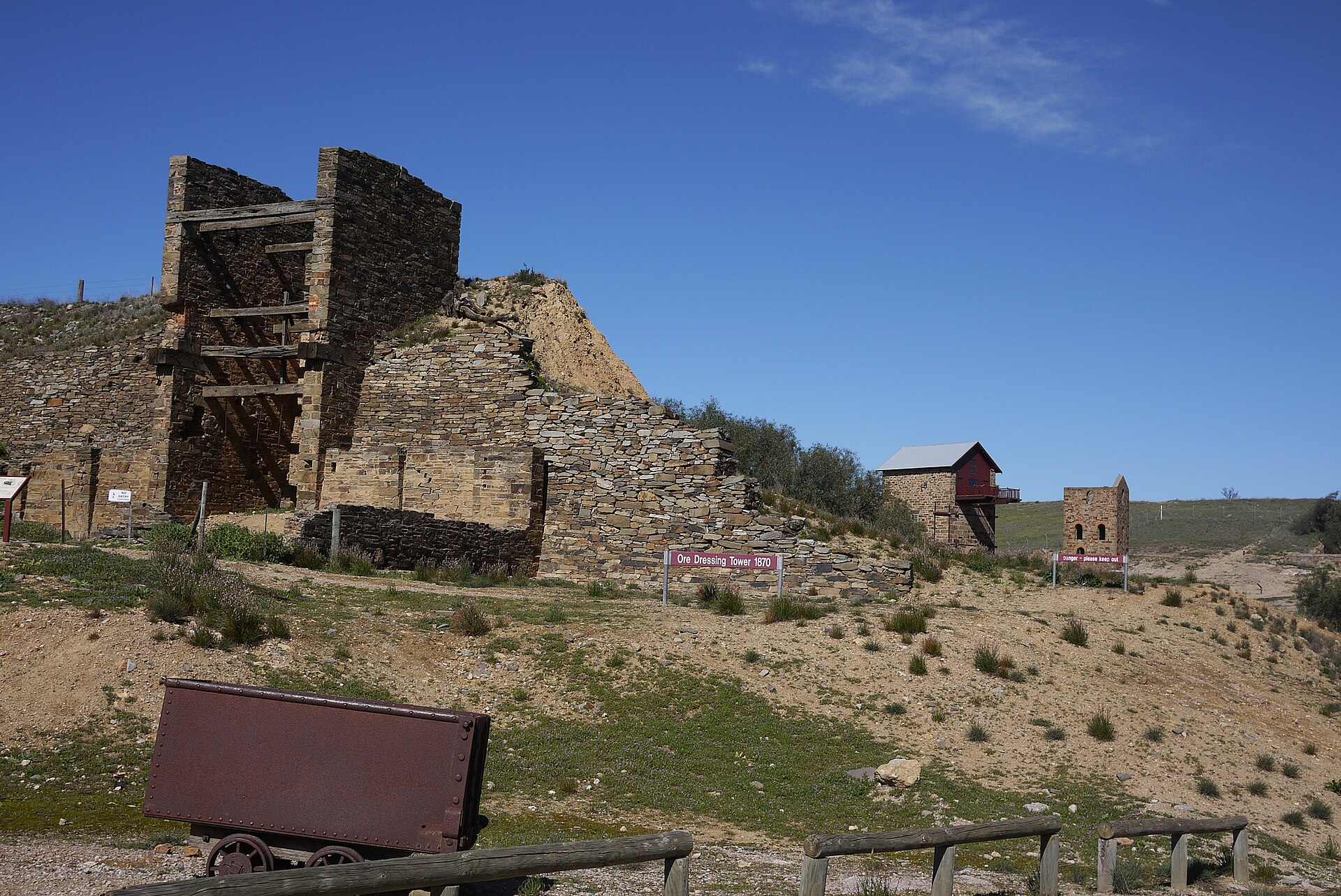
Cornish miners arrived with skills the young colony lacked, and Burra quickly became one of the most important copper mines in the world. The Cornish brought their engine houses, their methods and their language of mining, much of which still echoes around the old workings.
A town that remembers
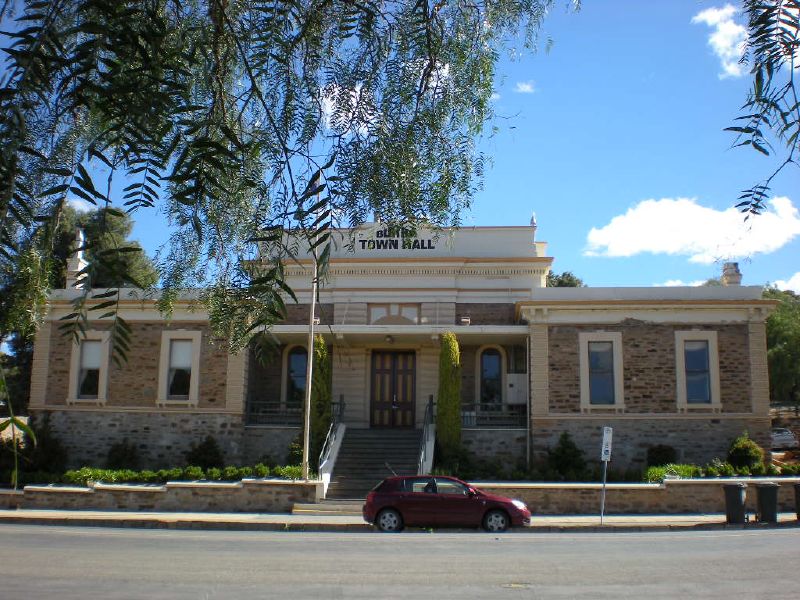
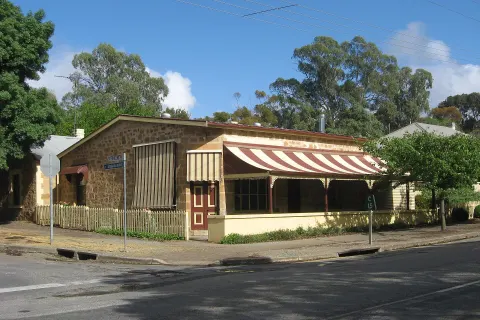
The Cornish influence runs deep in Burra's character, from the stone cottages to the enduring local love of the Cornish pasty. The town still celebrates this heritage, and its preserved mining landscape is among the best places in Australia to understand the Cornish mining diaspora.
Cornwall in the outback
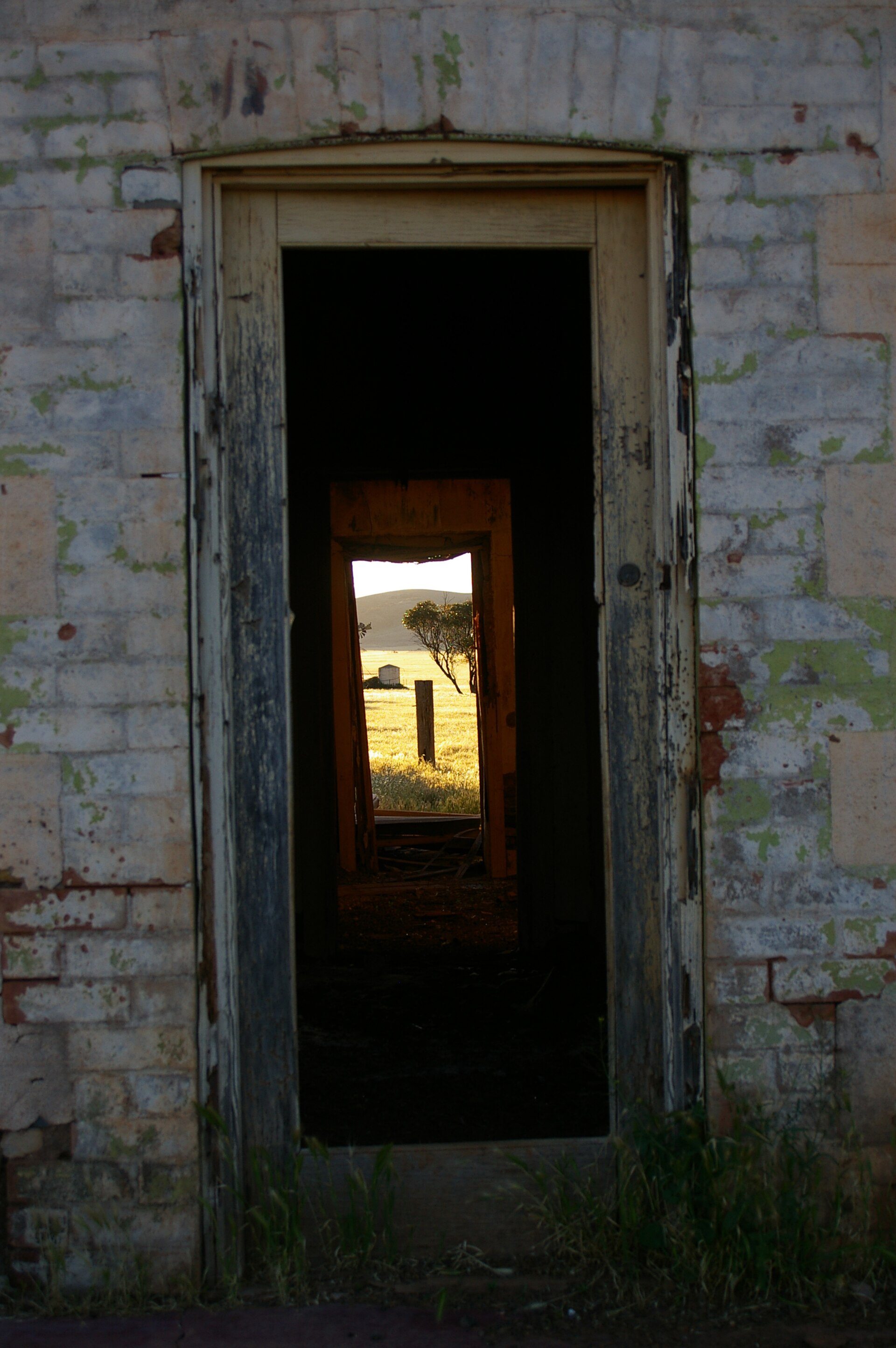
Standing among Burra's chimneys and dugouts, it's striking to think how a slice of far-western England took root in the dry South Australian country. The copper is long gone, but the Cornish roots of Burra remain visible in stone, story and the occasional pasty warm from the bakery.