Wildlife & Nature
Conservation parks & native bush
The best wildlife & nature in Auburn
Beyond the vineyards the Clare Valley keeps pockets of native bushland alive in its conservation parks, where kangaroos, echidnas and a chorus of birdlife move through stringybark and grass-tree country. Spring brings wildflowers; autumn turns the vines gold.
Beyond the vineyards, the Clare Valley protects pockets of native bush that reward anyone willing to leave the cellar doors behind for a few hours. Spring Gully Conservation Park, west of Clare, shelters South Australia's westernmost stand of red stringybark forest and puts on a spectacular wildflower display in spring, with orchids and seasonal waterfalls along its gully tracks.
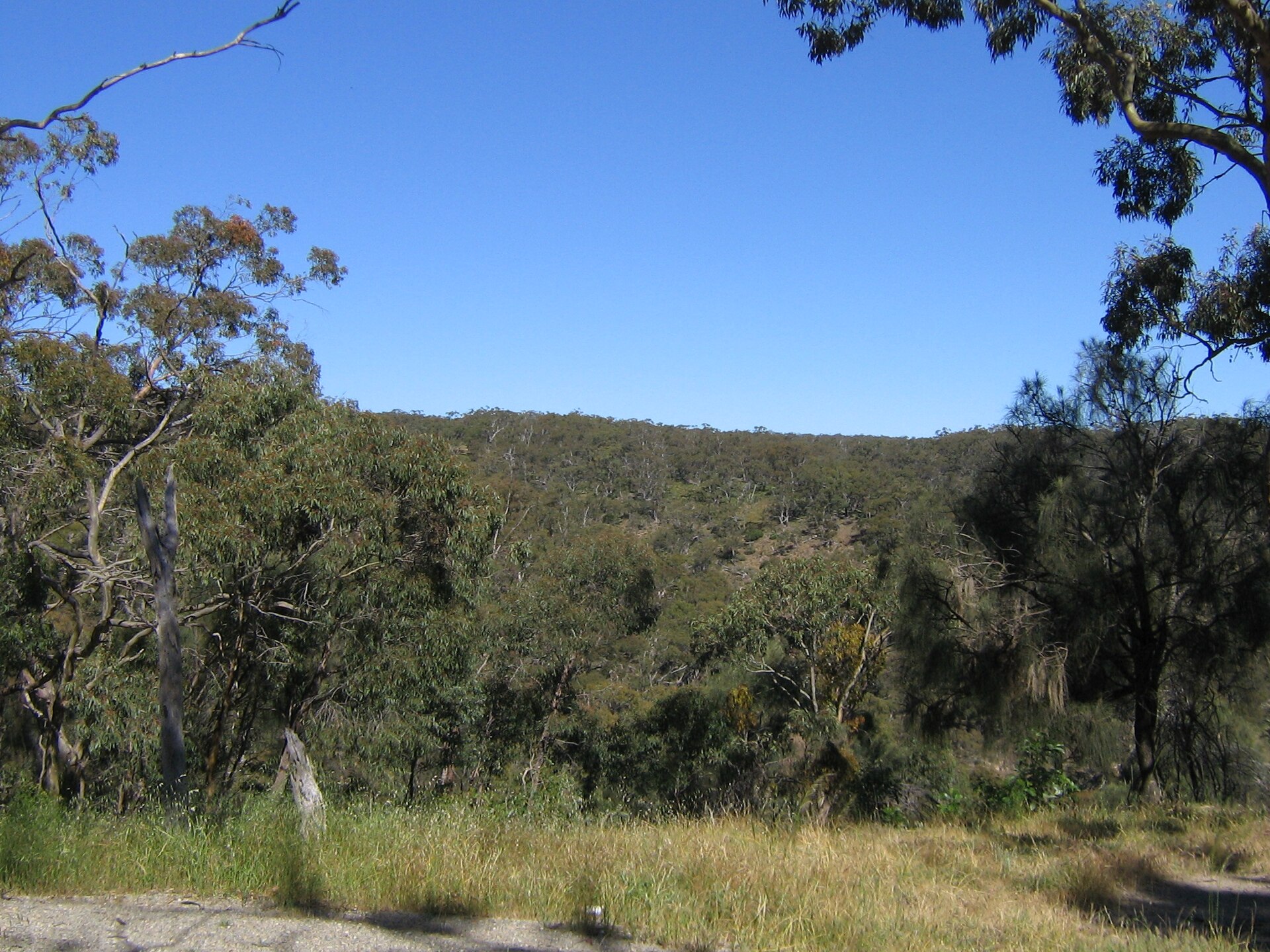
Out towards Burra, the granite landscape of Burra Creek Gorge is a quiet spot for picnicking, birdwatching and spotting kangaroos at dusk among the river red gums. Across the region, lookouts like Neagles Rock frame the rolling farmland that turns gold in summer and green after winter rain.
Spring is the standout season for nature here, when wildflowers carpet the reserves and the walking trails are at their best. Pack water, watch for wildlife at dawn and dusk, and tread lightly - much of this country is fragile remnant bush surrounded by farmland and vineyards.
Browse wildlife & nature by area
Wildlife & Nature in Clare Valley - frequently asked questions
What is the Clare Valley known for when it comes to wildlife and nature?
Beyond the vineyards, the Clare Valley protects pockets of native bush in its conservation parks, where western grey kangaroos, euros, short-beaked echidnas and a chorus of birdlife move through stringybark and grass-tree country. The signature drawcard is Spring Gully Conservation Park, which shelters South Australia's westernmost stand of red stringybark forest along with more than 30 orchid species. Spring brings wildflowers and the vines turn gold in autumn, so the natural scenery changes noticeably with the seasons.
Which conservation parks and nature spots are best to visit in the Clare Valley?
Spring Gully Conservation Park, about 8 kilometres south of Clare in the Skilly Hills, is the standout for its red stringybark forest, orchids and a seasonal waterfall that runs after rain. Other well-known reserves nearby include Red Banks, Mokota and Martindale Hall Grounds, while lookouts like Neagles Rock, Billy Goat Hill and Brooks give sweeping valley views. For easy birdwatching, the Gleeson Wetlands on the edge of Clare and the Inchiquin Lake area are gentle, accessible options.
Do I need to book or pay to visit the Clare Valley's conservation parks?
Most of the conservation parks and lookouts in the Clare Valley are free to enter and do not require booking for general day walks and sightseeing. Spring Gully Conservation Park has walking trails starting from the Blue Gum Lookout car park, and the Gleeson Wetlands in Clare is open with no entry fee. It is still worth checking the National Parks and Wildlife Service South Australia website before you go, as some parks have seasonal fire-danger closures or specific access conditions.
When is the best time of year to see wildlife and wildflowers in the Clare Valley?
Spring, roughly September to November, is the prime time, when the understorey at Spring Gully Conservation Park fills with wildflowers and native orchids and the waterfall is most likely to be flowing after winter rain. Autumn is also lovely as the vineyards turn gold across the valley. For wildlife sightings, early morning and late afternoon are usually the most rewarding times, with kangaroos and birdlife most active at the cooler ends of the day.
Are the Clare Valley conservation parks family and dog friendly?
The parks are generally family friendly, with Spring Gully offering walks of varying length including a wheelchair-accessible ridgetop section, and the flat 20-minute loop and bird hide at the Gleeson Wetlands suiting all ages. Dogs, however, are not permitted in most South Australian conservation parks, including Martindale Hall Conservation Park, so it is best to assume your dog cannot come into the reserves. Check the National Parks and Wildlife Service 'Find a Park' tool for the few areas where leashed dog walking is allowed.