



By Discover Clare Valley · · 6 min read
The Clare Valley isn’t one place but a patchwork of sub-regions, each leaving its mark on the wine. Here’s how to taste the difference.
Ask a Clare Valley winemaker where their riesling comes from and you'll rarely just hear "the Clare Valley". You'll hear Watervale, or Polish Hill River, or Sevenhill, said with the precision of someone naming a neighbourhood rather than a postcode.
One valley, many soils
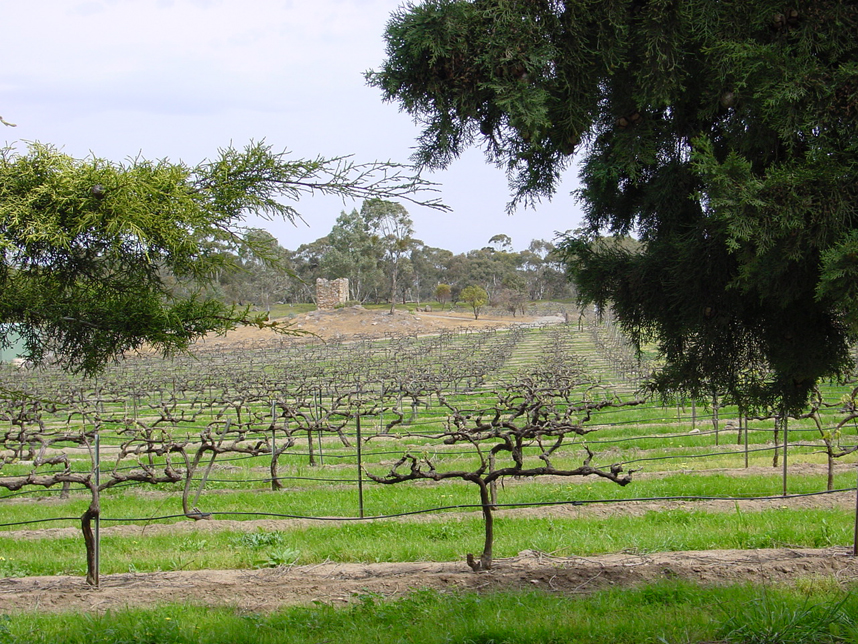
The valley runs roughly north to south, and within it sit distinct pockets of soil and climate. Watervale, toward the south, is known for limestone and red loam over slate, giving rieslings a generous, lime-and-citrus character with firm structure. Polish Hill River, to the east, is cooler and more slate-driven, producing wines that are tighter, more austere in youth and famously long-lived.
The historic heart
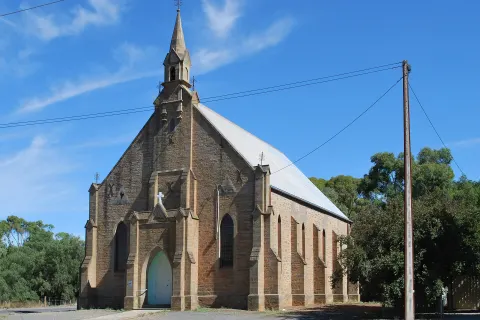
Around Sevenhill, where the Jesuits planted the first vines in the 1850s, the country is warmer and the wines fuller. This is the spiritual home of valley winemaking, and tasting here puts the whole region in context.
How to taste the difference
The best way to understand the sub-regions is simply to taste across them in a day, ideally young rieslings, side by side. Start in Watervale, move east into Polish Hill River, then finish at Sevenhill. By the third glass, the differences that once sounded like marketing will taste unmistakably real.