



By Discover the Clare Valley · · 5 min read
Lime, slate and steel - Clare Valley Riesling has a signature so recognisable it has become a benchmark. The reasons lie in the dirt, the elevation and the air.
A wine with a fingerprint
Pour a glass of young Clare Valley Riesling and the markers are unmistakable: a rush of lime and lemon, a chalky minerality, and a bone-dry, almost steely finish that seems to tighten as it goes. It is a style so consistent and so distinctive that the wine world treats it as a reference point. The question is why a single small valley should produce something so particular.
It starts with the ground
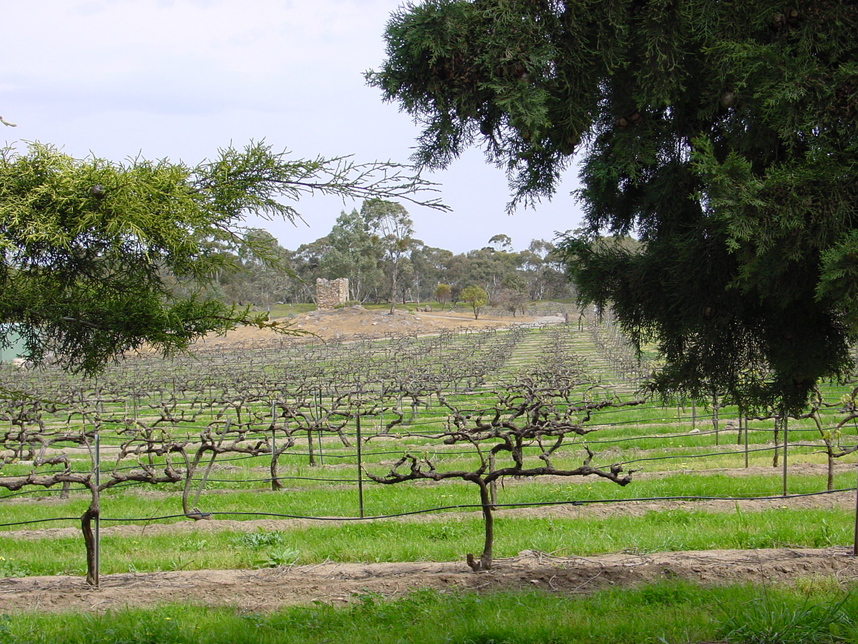
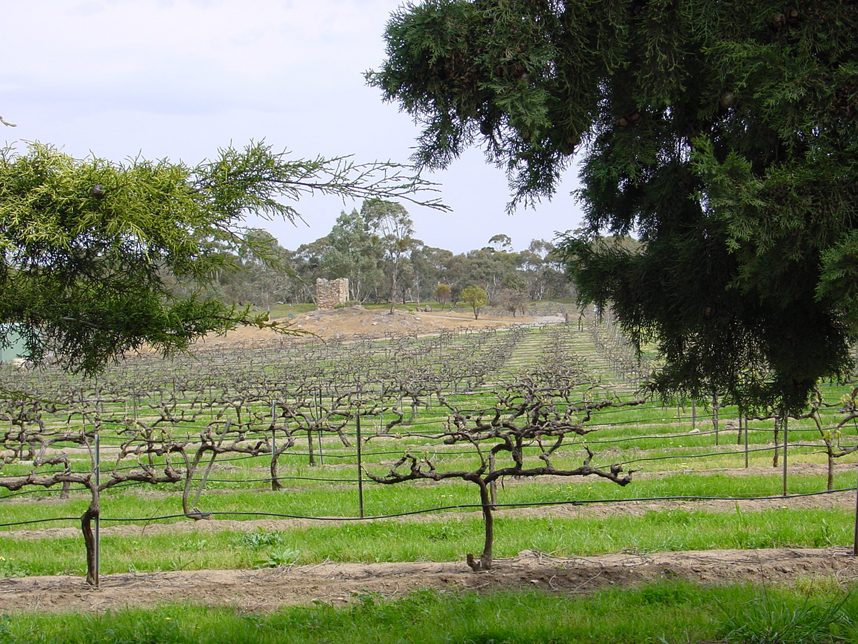
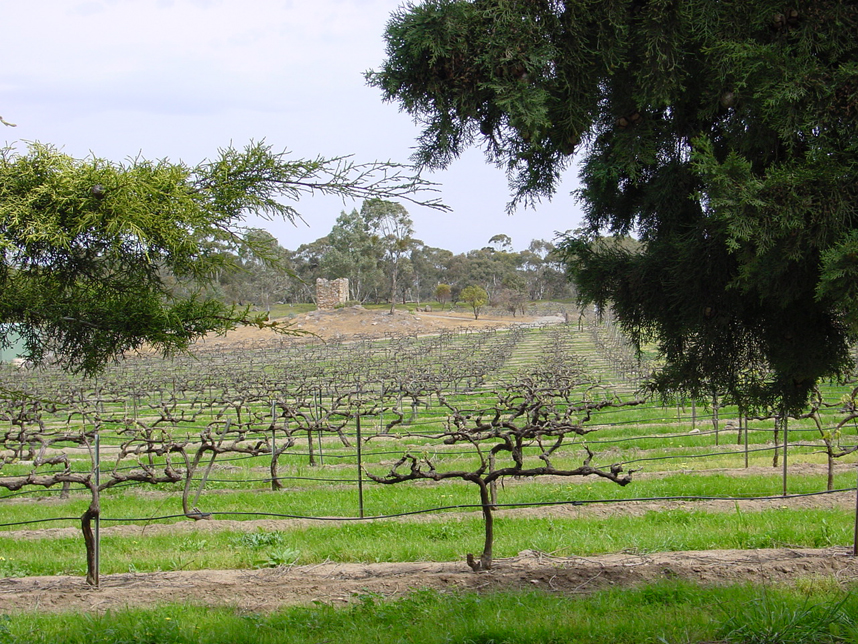
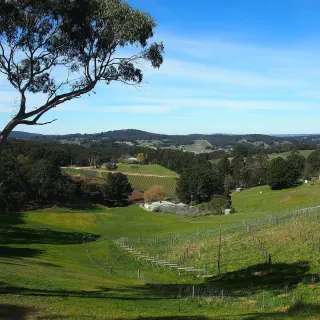
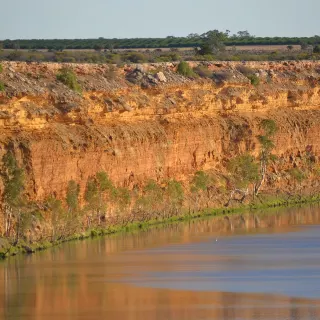
Much of the Clare Valley sits on ancient soils - red-brown loams over hard ironstone and, in pockets like Watervale, broken limestone and slate. These low-vigour soils stress the vines just enough, concentrating flavour and lending the wines that flinty, mineral cut. Sub-regions taste subtly different: Watervale tends to be softer and more floral, Polish Hill River more austere and long-lived.
Cool nights at altitude
The valley runs at a higher elevation than you might expect, and although the days are warm, the nights drop away sharply. That swing - hot days, cold nights - slows ripening and locks in the natural acidity that gives the Riesling its backbone. It is the same diurnal magic that makes the wines so age-worthy.
Built to last
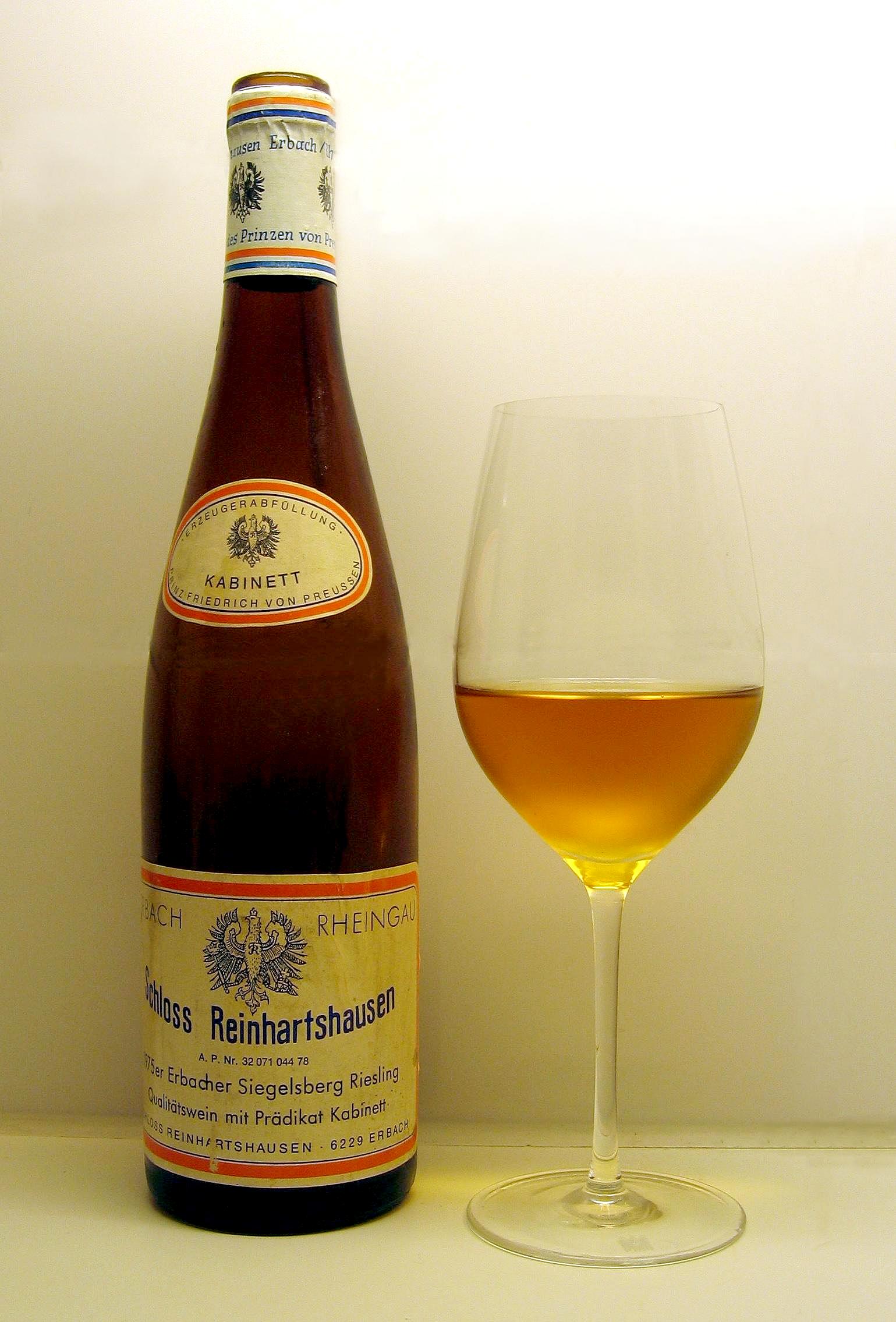
That acidity is why a good Clare Riesling is one of the great cellaring bargains in wine. Left for five or ten years, the lime softens into toast, honey and kerosene-like complexity. Buy a case young, drink a bottle a year, and watch a wine evolve - there are few better ways to understand what makes this valley special.